logo
İyi bir fiyat.  çevrimiçi

Ürün ayrıntıları

Created with Pixso. Evde Created with Pixso. Ürünler Created with Pixso.
304 Paslanmaz Çelik Levha
Created with Pixso. ASTM 304 304L 316L Stainless Steel Plate with 2B Surface Finish and 3–50 mm Thickness for Engineering Construction

ASTM 304 304L 316L Stainless Steel Plate with 2B Surface Finish and 3–50 mm Thickness for Engineering Construction

Marka Adı: Sylaith
Model Numarası: 300 Serisi
Moq: 1 Ton
fiyat: pazarlık edilebilir
Teslim Zamanı: Miktar, boyut ve işleme gereksinimlerine bağlı olarak 7-15 iş günü
Ödeme Şartları: Yüklenmeden önce% 30 T/T önceden% 70 bakiye
Ayrıntılı Bilgiler
Menşe yeri:
Çin
Sertifika:
ISO9001
Ürün adı:
Paslanmaz çelik
Standart:
ASTM / AISI / JIS / DIN / EN / GB
Tip:
Rulo / Çelik
Yüzey İşlemi:
2b
Teknik:
2–5 L/dak
İşleme Hizmeti:
Bükme, Kaynaklama, Rulo Açma, Delme, Kesme
Ticaret Şartları:
FOB / EXW / CIF / CFR
Taşıma Türü:
Konteyner, toplu ve tren
Ambalaj bilgileri:
Standart denize uygun paket veya müşterilerin gerektirdiği gibi
Yetenek temini:
Yılda 50000 Ton
Ürün Tanımı
ASTM 304 304L 316L Stainless Steel Plate 2B Surface 3–50 mm Thickness for Engineering Construction
Product Overview

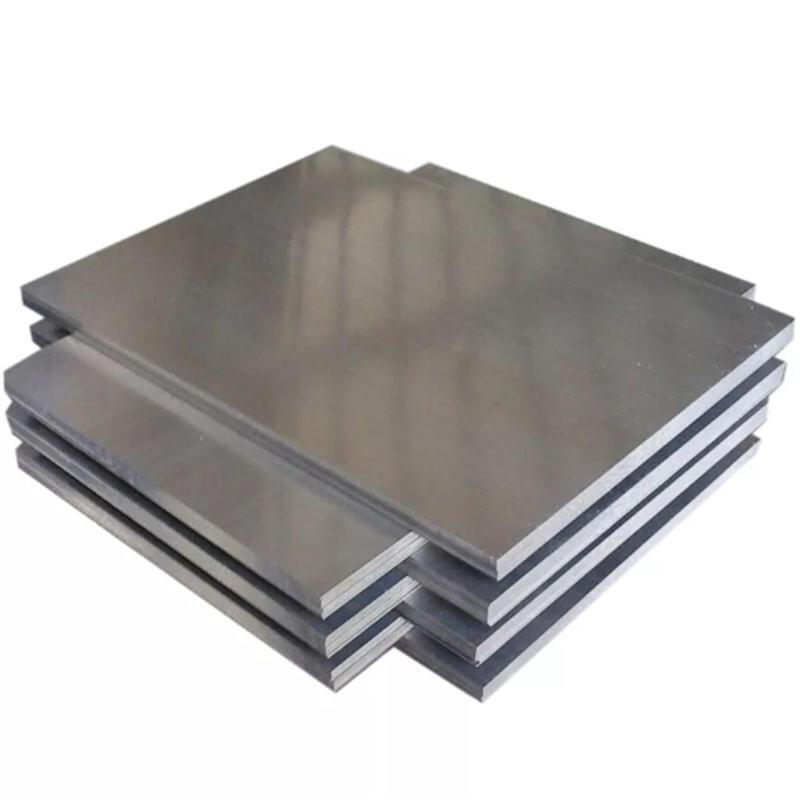
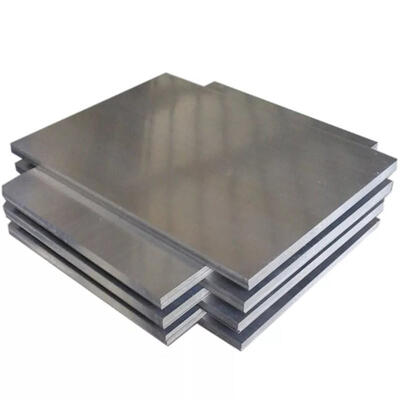
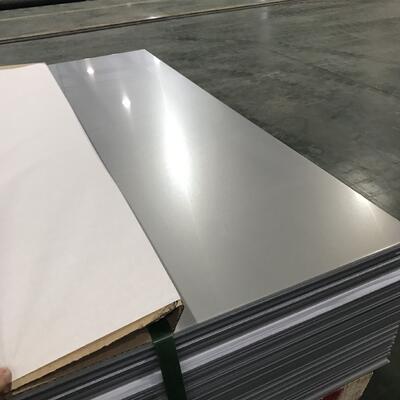
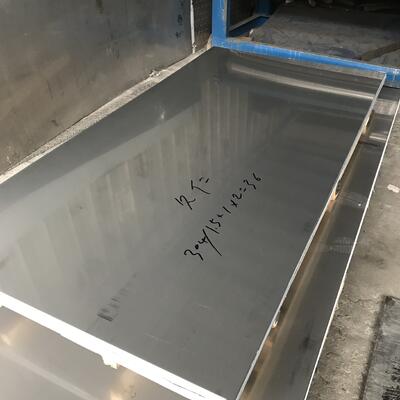
Our 300 Series stainless steel plates are manufactured in accordance with ASTM standards and are available in multiple grades, including 304, 304L, 304N, 316L, and 904L. Featuring a 2B surface finish, these plates provide a smooth appearance suitable for fabrication, welding, machining, and structural applications.

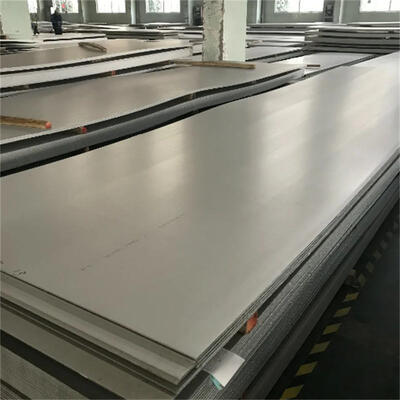
With thicknesses ranging from 3 mm to 50 mm, widths from 1000 mm to 2000 mm, and customizable lengths up to 6000 mm, the plates can be supplied for engineering construction, industrial fabrication, processing equipment, and architectural projects.

Processing services such as cutting, bending, punching, welding, and decoiling are available according to project drawings.

Why Material Selection Matters

Selecting the appropriate stainless steel grade is critical for achieving the required corrosion resistance, fabrication performance, and service life.

For example:

  • 304 is widely used for general industrial and architectural applications.
  • 304L offers lower carbon content, making it suitable for welded structures where post-weld corrosion resistance is required.
  • 316L contains molybdenum, providing improved resistance in chloride-containing environments.
  • 904L is commonly selected for aggressive chemical processing environments requiring enhanced corrosion resistance.

Choosing the correct grade according to the working environment helps avoid unnecessary material costs while meeting engineering requirements.

Our Solution

To meet different fabrication and construction requirements, we provide stainless steel plates in multiple grades and dimensions with flexible processing options.

Our solution includes:

  • ASTM-compliant 300 Series stainless steel plates
  • 2B surface finish suitable for further fabrication
  • Thickness range from 3 mm to 50 mm
  • Widths up to 2000 mm
  • Custom lengths according to project requirements
  • CNC cutting, bending, punching, and welding support
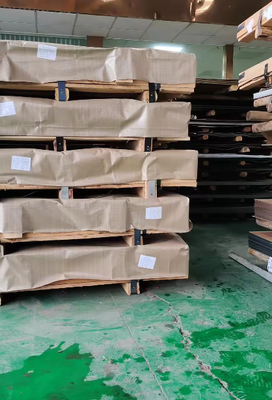
  • Export-standard seaworthy packaging

Each order can be manufactured according to the customer's drawing or material specification.

Specifications
ItemSpecification
ProductStainless Steel Plate
Steel Grades304, 304L, 304N, 316L, 904L
Series300 Series
StandardASTM
Surface Finish2B
Manufacturing ProcessCold Rolled
Thickness3-50 mm
Width1000-2000 mm
Length1000-6000 mm or Customized
Tolerance±1%
Processing ServicesCutting, Bending, Welding, Punching, Decoiling
Applications

These stainless steel plates are widely used in:

  • Engineering construction
  • Structural fabrication
  • Industrial equipment
  • Food processing equipment
  • Chemical processing facilities
  • Architectural decoration
  • Pressure vessel components
  • Machinery manufacturing
  • Storage tanks
  • General metal fabrication
How It Works

The manufacturing process begins with selecting the required stainless steel grade according to the application's corrosion resistance and mechanical property requirements.

After cold rolling, the plates receive a 2B surface finish, providing a smooth and uniform surface suitable for machining and fabrication. According to customer requirements, plates can then undergo cutting, bending, punching, or welding before packaging for export.

This processing flow allows customers to receive materials that closely match their fabrication needs, reducing additional processing time after delivery.

How To Choose

When selecting a stainless steel plate, consider the following factors:

Material Grade
  • 304 -- General engineering and indoor applications
  • 304L -- Welded structures requiring reduced carbide precipitation
  • 316L -- Marine, coastal, and chloride environments
  • 904L -- Chemical processing and highly corrosive environments
Plate Thickness

Select thickness according to structural load, machining allowance, and design requirements.

Surface Finish

The 2B finish is suitable for fabrication and industrial applications. If decorative appearance is required, finishes such as BA, No.4, HL, or Mirror may be considered separately.

Fabrication Requirements

Confirm whether cutting, welding, bending, or punching services are required before production to improve processing efficiency.

FAQ
What is the difference between 304 and 316L stainless steel plates?

316L contains molybdenum, providing improved corrosion resistance in chloride-containing and marine environments compared with 304.

Is the 2B surface suitable for welding and fabrication?

Yes. The 2B finish is commonly used for industrial fabrication, machining, and welding applications.

Can stainless steel plates be supplied in custom sizes?

Yes. Width, length, and processing services such as cutting, bending, and punching can be customized according to project requirements.

What certificates can be provided?

ISO 9001 certification is available, and Mill Test Certificate (EN 10204 Type 3.1) can typically be supplied upon request for material traceability.

Which industries commonly use 300 Series stainless steel plates?

These plates are widely used in engineering construction, food processing, chemical equipment, machinery manufacturing, pressure vessels, and architectural fabrication.

Product Gallery
İyi bir fiyat.  çevrimiçi

Ürün ayrıntıları

Created with Pixso. Evde Created with Pixso. Ürünler Created with Pixso.
304 Paslanmaz Çelik Levha
Created with Pixso. ASTM 304 304L 316L Stainless Steel Plate with 2B Surface Finish and 3–50 mm Thickness for Engineering Construction

ASTM 304 304L 316L Stainless Steel Plate with 2B Surface Finish and 3–50 mm Thickness for Engineering Construction

Marka Adı: Sylaith
Model Numarası: 300 Serisi
Moq: 1 Ton
fiyat: pazarlık edilebilir
Paketleme Ayrıntıları: Standart denize uygun paket veya müşterilerin gerektirdiği gibi
Ödeme Şartları: Yüklenmeden önce% 30 T/T önceden% 70 bakiye
Ayrıntılı Bilgiler
Menşe yeri:
Çin
Marka adı:
Sylaith
Sertifika:
ISO9001
Model numarası:
300 Serisi
Ürün adı:
Paslanmaz çelik
Standart:
ASTM / AISI / JIS / DIN / EN / GB
Tip:
Rulo / Çelik
Yüzey İşlemi:
2b
Teknik:
2–5 L/dak
İşleme Hizmeti:
Bükme, Kaynaklama, Rulo Açma, Delme, Kesme
Ticaret Şartları:
FOB / EXW / CIF / CFR
Taşıma Türü:
Konteyner, toplu ve tren
Min sipariş miktarı:
1 Ton
Fiyat:
pazarlık edilebilir
Ambalaj bilgileri:
Standart denize uygun paket veya müşterilerin gerektirdiği gibi
Teslim süresi:
Miktar, boyut ve işleme gereksinimlerine bağlı olarak 7-15 iş günü
Ödeme koşulları:
Yüklenmeden önce% 30 T/T önceden% 70 bakiye
Yetenek temini:
Yılda 50000 Ton
Ürün Tanımı
ASTM 304 304L 316L Stainless Steel Plate 2B Surface 3–50 mm Thickness for Engineering Construction
Product Overview

Our 300 Series stainless steel plates are manufactured in accordance with ASTM standards and are available in multiple grades, including 304, 304L, 304N, 316L, and 904L. Featuring a 2B surface finish, these plates provide a smooth appearance suitable for fabrication, welding, machining, and structural applications.

With thicknesses ranging from 3 mm to 50 mm, widths from 1000 mm to 2000 mm, and customizable lengths up to 6000 mm, the plates can be supplied for engineering construction, industrial fabrication, processing equipment, and architectural projects.

Processing services such as cutting, bending, punching, welding, and decoiling are available according to project drawings.

Why Material Selection Matters

Selecting the appropriate stainless steel grade is critical for achieving the required corrosion resistance, fabrication performance, and service life.

For example:

  • 304 is widely used for general industrial and architectural applications.
  • 304L offers lower carbon content, making it suitable for welded structures where post-weld corrosion resistance is required.
  • 316L contains molybdenum, providing improved resistance in chloride-containing environments.
  • 904L is commonly selected for aggressive chemical processing environments requiring enhanced corrosion resistance.

Choosing the correct grade according to the working environment helps avoid unnecessary material costs while meeting engineering requirements.

Our Solution

To meet different fabrication and construction requirements, we provide stainless steel plates in multiple grades and dimensions with flexible processing options.

Our solution includes:

  • ASTM-compliant 300 Series stainless steel plates
  • 2B surface finish suitable for further fabrication
  • Thickness range from 3 mm to 50 mm
  • Widths up to 2000 mm
  • Custom lengths according to project requirements
  • CNC cutting, bending, punching, and welding support
  • Export-standard seaworthy packaging

Each order can be manufactured according to the customer's drawing or material specification.

Specifications
ItemSpecification
ProductStainless Steel Plate
Steel Grades304, 304L, 304N, 316L, 904L
Series300 Series
StandardASTM
Surface Finish2B
Manufacturing ProcessCold Rolled
Thickness3-50 mm
Width1000-2000 mm
Length1000-6000 mm or Customized
Tolerance±1%
Processing ServicesCutting, Bending, Welding, Punching, Decoiling
Applications

These stainless steel plates are widely used in:

  • Engineering construction
  • Structural fabrication
  • Industrial equipment
  • Food processing equipment
  • Chemical processing facilities
  • Architectural decoration
  • Pressure vessel components
  • Machinery manufacturing
  • Storage tanks
  • General metal fabrication
How It Works

The manufacturing process begins with selecting the required stainless steel grade according to the application's corrosion resistance and mechanical property requirements.

After cold rolling, the plates receive a 2B surface finish, providing a smooth and uniform surface suitable for machining and fabrication. According to customer requirements, plates can then undergo cutting, bending, punching, or welding before packaging for export.

This processing flow allows customers to receive materials that closely match their fabrication needs, reducing additional processing time after delivery.

How To Choose

When selecting a stainless steel plate, consider the following factors:

Material Grade
  • 304 -- General engineering and indoor applications
  • 304L -- Welded structures requiring reduced carbide precipitation
  • 316L -- Marine, coastal, and chloride environments
  • 904L -- Chemical processing and highly corrosive environments
Plate Thickness

Select thickness according to structural load, machining allowance, and design requirements.

Surface Finish

The 2B finish is suitable for fabrication and industrial applications. If decorative appearance is required, finishes such as BA, No.4, HL, or Mirror may be considered separately.

Fabrication Requirements

Confirm whether cutting, welding, bending, or punching services are required before production to improve processing efficiency.

FAQ
What is the difference between 304 and 316L stainless steel plates?

316L contains molybdenum, providing improved corrosion resistance in chloride-containing and marine environments compared with 304.

Is the 2B surface suitable for welding and fabrication?

Yes. The 2B finish is commonly used for industrial fabrication, machining, and welding applications.

Can stainless steel plates be supplied in custom sizes?

Yes. Width, length, and processing services such as cutting, bending, and punching can be customized according to project requirements.

What certificates can be provided?

ISO 9001 certification is available, and Mill Test Certificate (EN 10204 Type 3.1) can typically be supplied upon request for material traceability.

Which industries commonly use 300 Series stainless steel plates?

These plates are widely used in engineering construction, food processing, chemical equipment, machinery manufacturing, pressure vessels, and architectural fabrication.

Product Gallery